Exploring the Rich History of Afternoon Tea in the UK
LK
The Origins of Afternoon Tea
The tradition of afternoon tea dates back to the early 19th century in the UK. It was introduced by Anna, the Duchess of Bedford, who found herself feeling peckish between lunch and dinner. She began inviting friends to join her for an afternoon snack of tea, bread, and butter, giving rise to what we now know as afternoon tea.
This practice quickly gained popularity among the upper classes, becoming a fashionable social event. Hosts would serve an assortment of finger sandwiches, scones, and pastries, all accompanied by a variety of teas.

The Evolution of the Tradition
As the years passed, afternoon tea became more elaborate. The Victorian era, in particular, saw a significant expansion in the variety of foods served. Tea rooms and gardens became common venues, allowing people to enjoy the ritual outside their homes. This period marked the transformation of afternoon tea into a full-fledged experience.
By the early 20th century, the tradition had spread beyond the aristocracy. Tea houses and hotels began offering afternoon tea to the general public, making it accessible to a wider audience.
Components of a Traditional Afternoon Tea
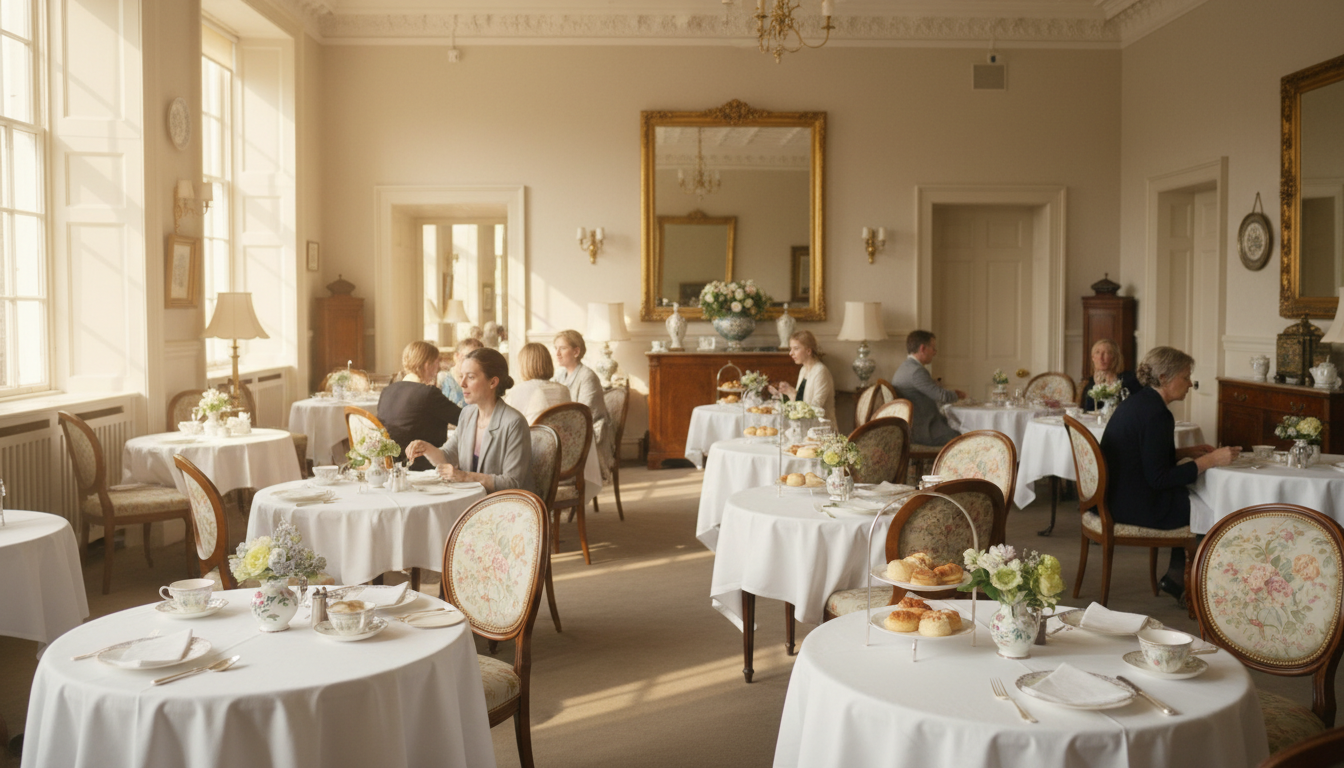
A typical afternoon tea includes three main components:
- Finger Sandwiches: These are usually filled with cucumber, smoked salmon, egg and cress, or ham and mustard.
- Scones: Served with clotted cream and jam, scones are an essential part of the experience.
- Pastries and Cakes: A selection of sweet treats, such as tarts, eclairs, and sponge cakes, completes the menu.
Accompanying these delights is, of course, a pot of freshly brewed tea. Popular choices include Earl Grey, Darjeeling, and Assam.
Modern-Day Afternoon Tea
Today, afternoon tea remains a cherished tradition in the UK, with many hotels and cafes offering their unique takes on the classic experience. Some venues have even introduced themed teas, incorporating elements from popular culture or historical events.
While the essence of afternoon tea remains unchanged, modern variations often include champagne or cocktails, adding a contemporary twist to the age-old custom.
The Cultural Significance
Afternoon tea holds a special place in British culture. It represents not only a break in the day but also an opportunity for social interaction and relaxation. The ritualized aspect of afternoon tea provides a sense of tradition and continuity, linking the past with the present.
Moreover, it is a symbol of hospitality and warmth, embodying the quintessentially British love for tea and conversation.
Enjoying Afternoon Tea Around the World
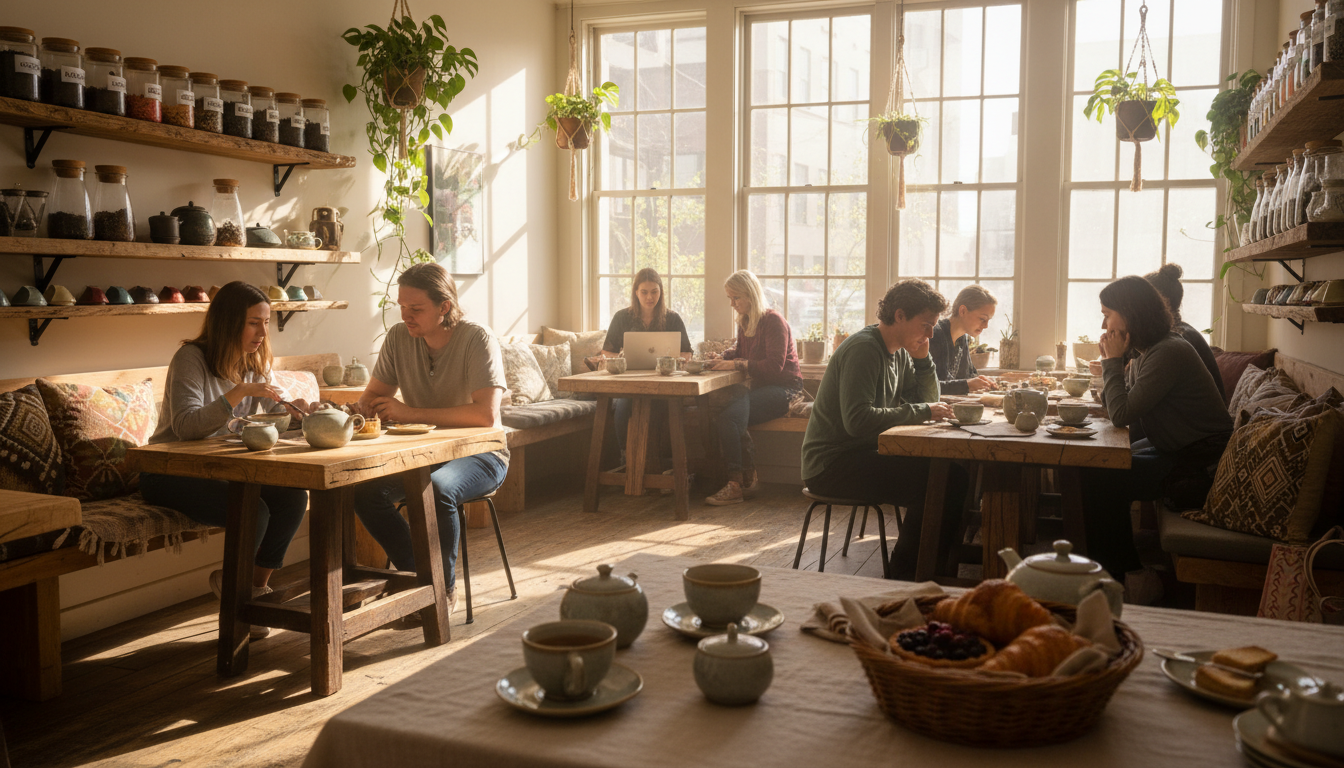
The popularity of afternoon tea has spread globally, with many countries embracing the tradition. In places like Japan and the United States, afternoon tea is celebrated with local adaptations and flavors, showcasing the universal appeal of this delightful practice.
Whether enjoyed in a lavish hotel or a cozy cafe, afternoon tea continues to enchant people worldwide, offering a taste of British heritage and elegance.